Research & clinical studies
The science behind Béa's insemination treatment
Since 2020, we’ve set out to create a new gold standard in fertility care through evidence-based, scientifically-backed and research-driven treatments.
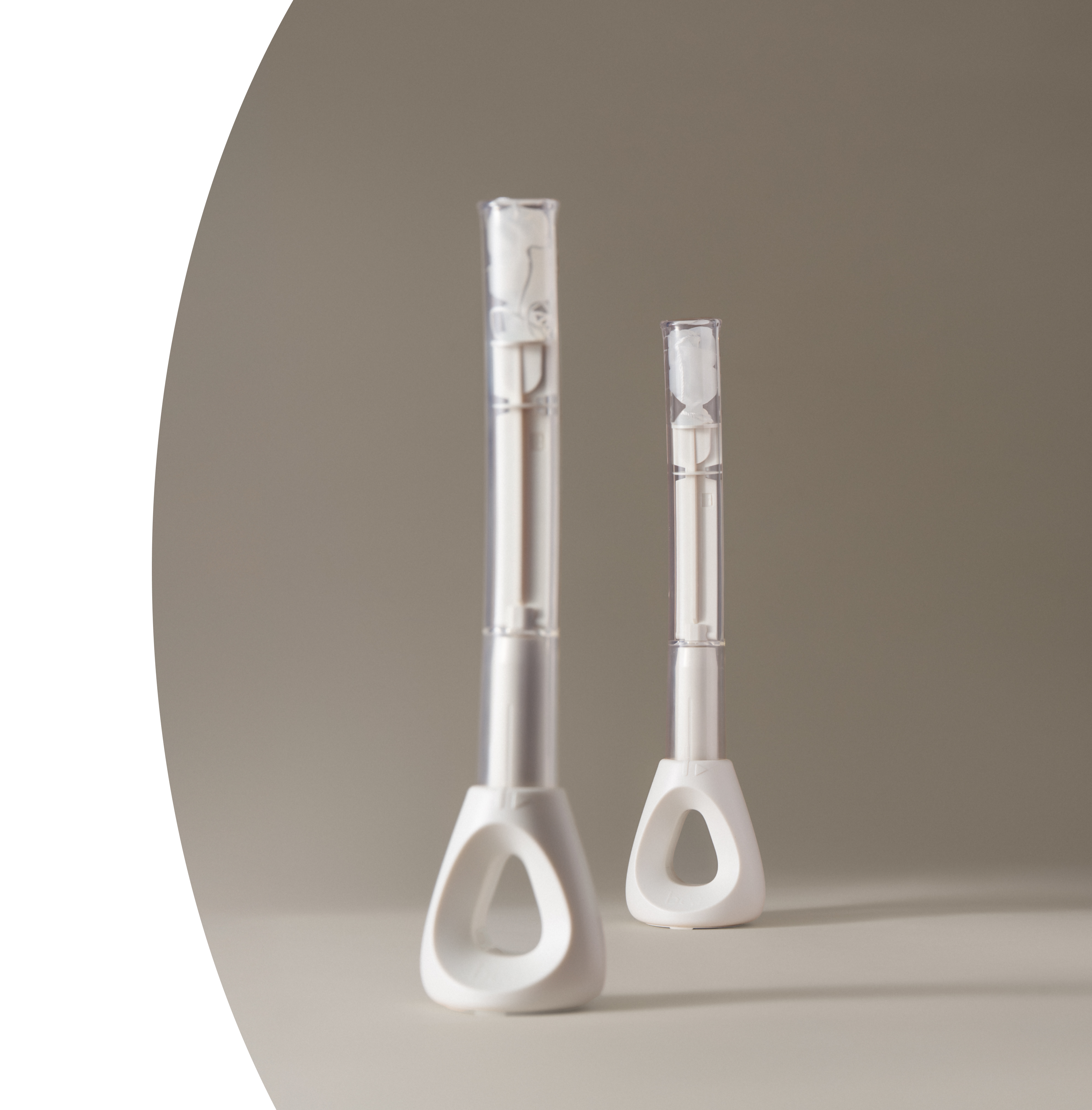
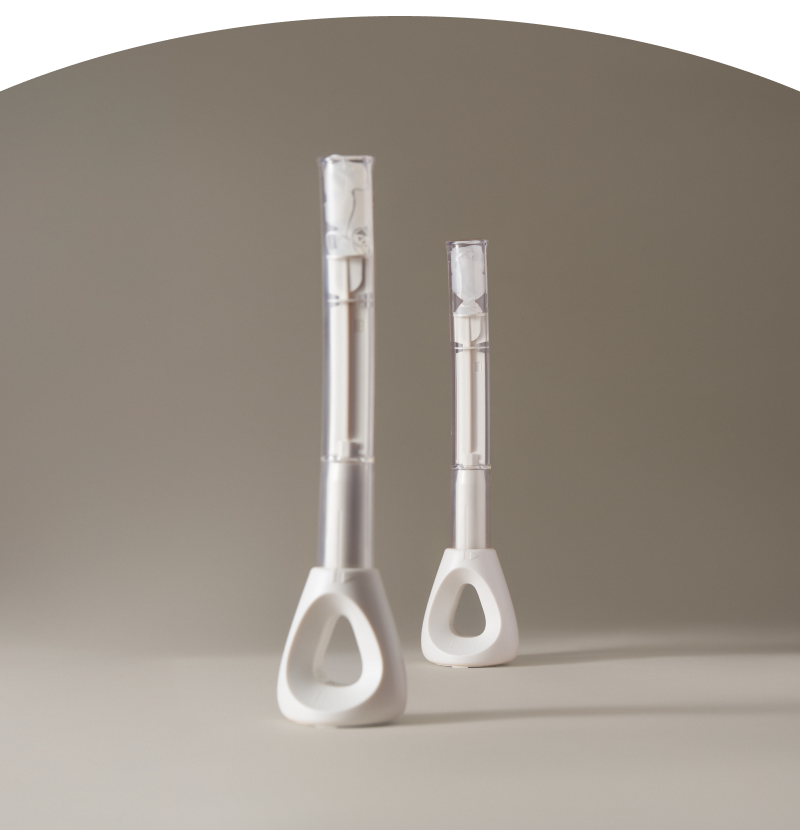
Béa efficacy rate
39.28% pregnancy rate over 3 treatment cycles¹
Dive into the results from our first research study
Why the insemination treatment helps you conceive
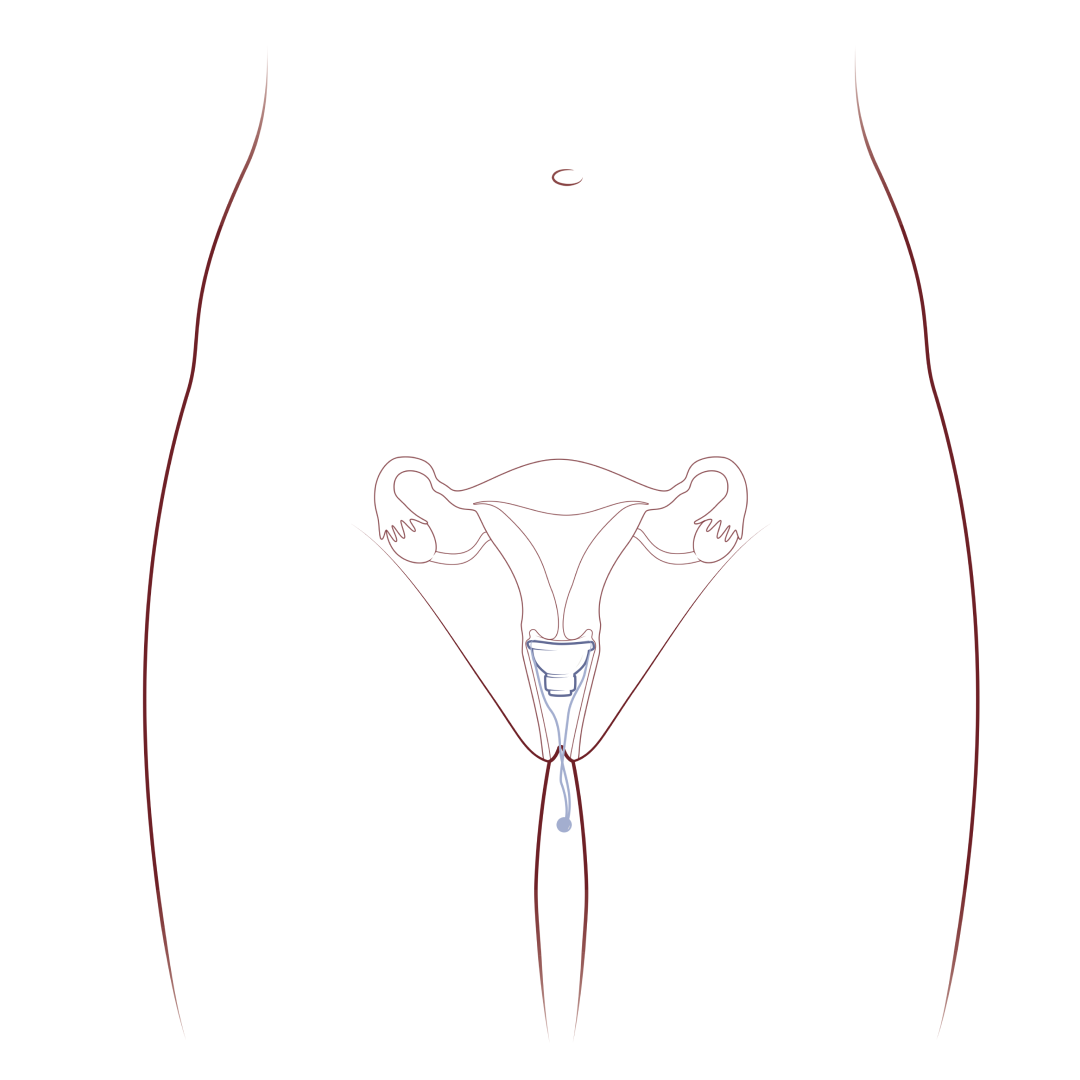
Find out the science behind our insemination kit including how our bespoke Béa Applicator and cervical cap work together to deliver semen directly to the cervix, maximizing your chances of conceiving.
Delivering 3.23x more sperm to the cervix than timed intercourse alone²
How Béa compares
We believe that fertility care should be proactive, accessible and emotionally supportive at every step of the journey. Here’s how we stack up.
Want to find out if a Béa treatment plan is right for you?

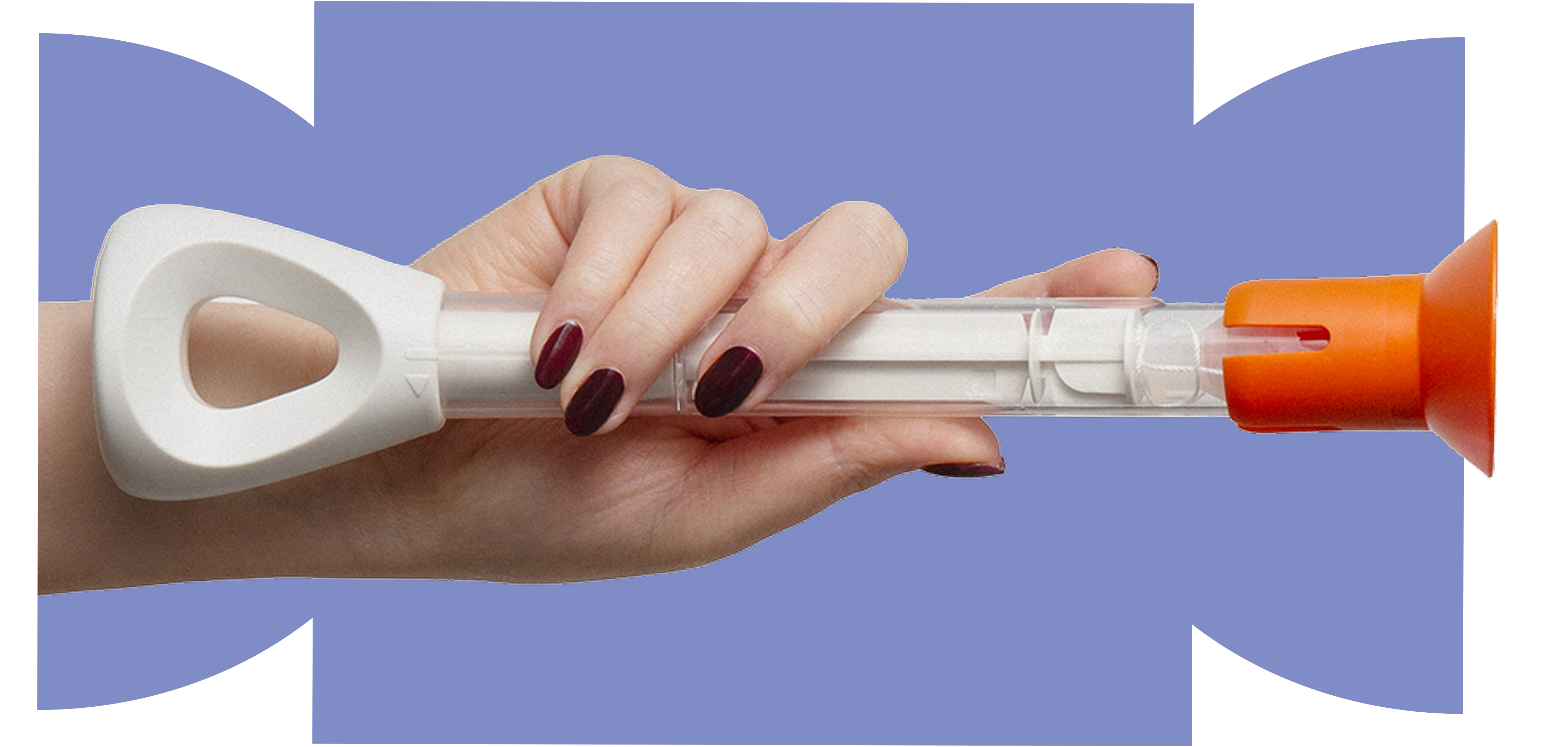
The Béa Applicator is designed to enhance your body’s natural in-built systems

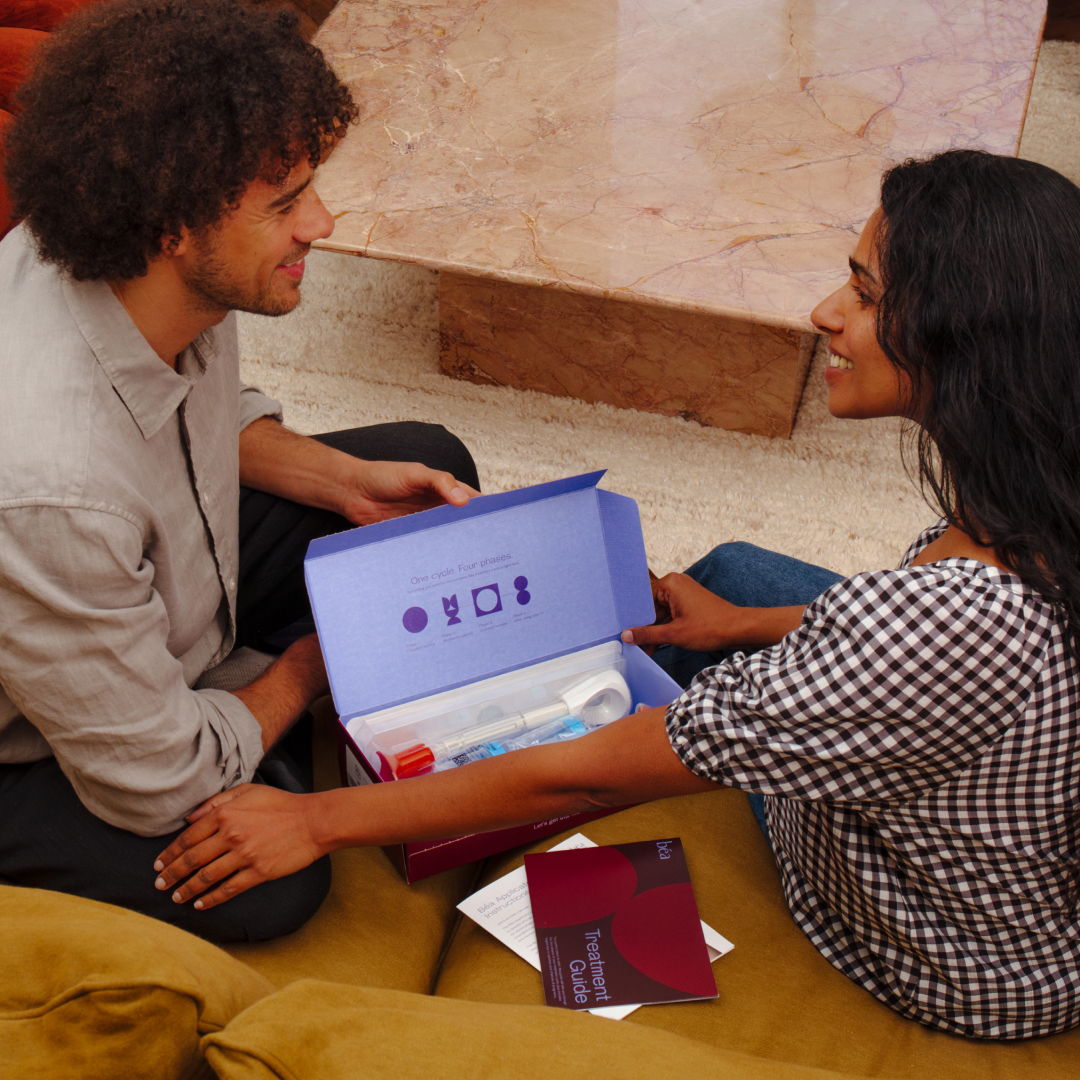
We know how hard, stressful and lonely trying to conceive can feel. We’re here to change that.

83% of people experience the emotional rollercoaster of trying to conceive⁶
We’re here to take the pressure off, remove the guesswork and alleviate any stress. Our guidance, care and support is designed to be your shoulder to lean on, your glimmer of hope when things feel tough and your helpful confidante whenever you have a question.
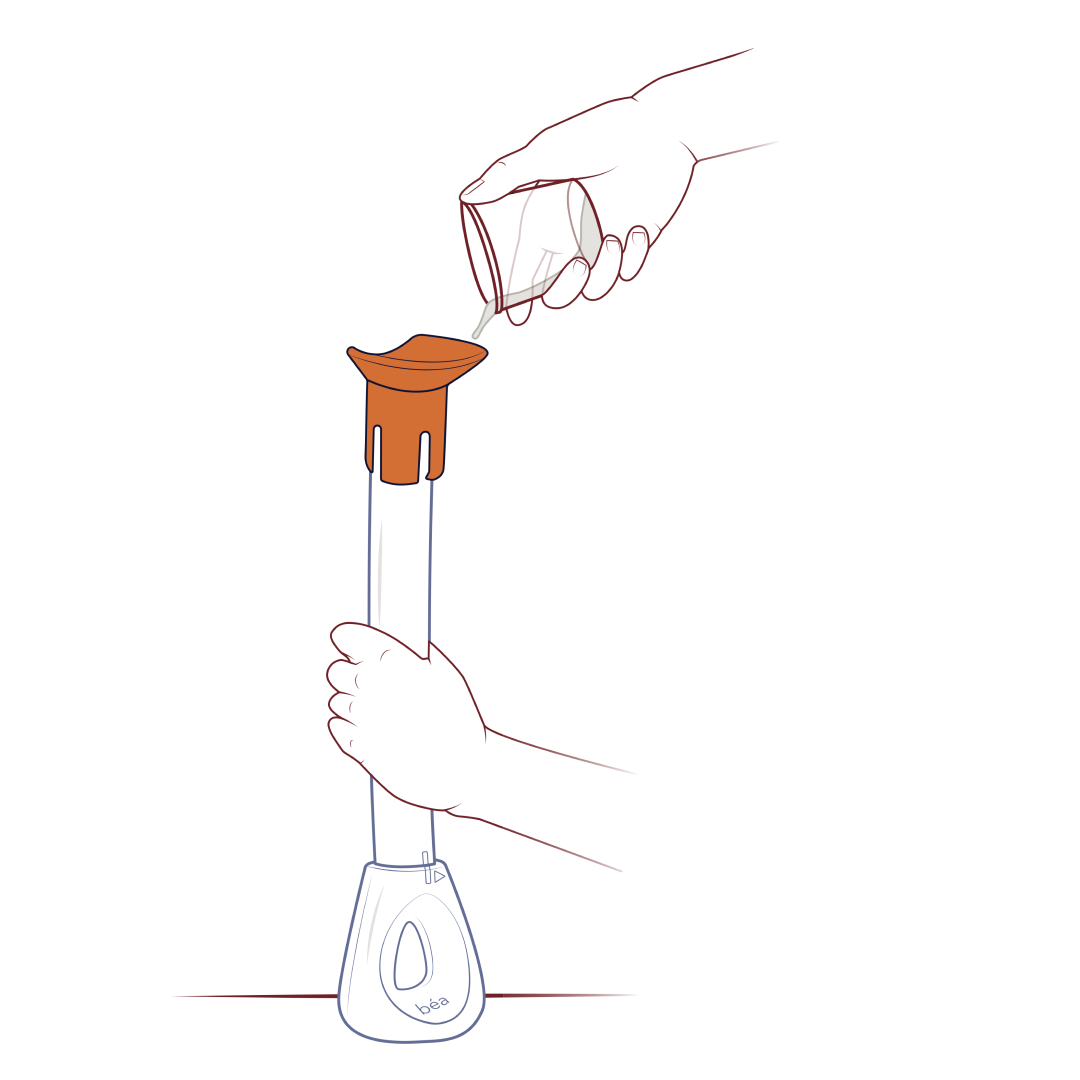
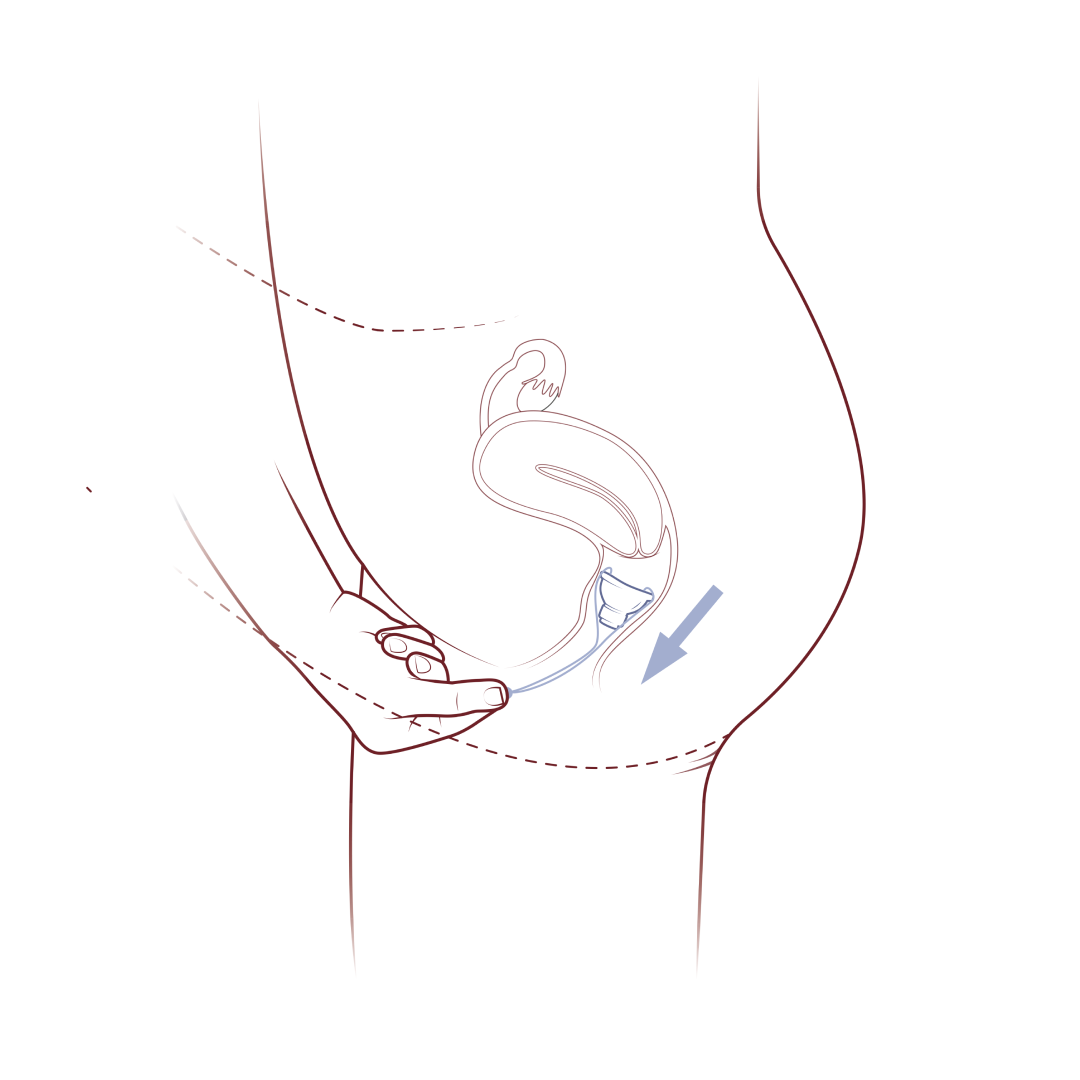
How to use the Béa Applicator

Always at Béa


Notes and sources
1. 39.28% pregnancy rate among 56 Béa users who completed up to three Béa insemination treatment cycles and reported outcomes between June–Dec 2023. Average age 37. Internal observational data; no control group. Results vary and are not guaranteed. “Pregnancy rate” refers to reported pregnancies during/after treatment; it is not a live-birth rate.
2. Based on a postcoital test of another cervical-cap device vs intercourse: 11/13 (85%) showed higher cervical-mucus sperm scores; among responders, average 3.23× (Pelekanos, 2015). Not Béa; no syringe comparison. PCT scores are semi-quantitative and don’t predict pregnancy. Results vary.
3. ~$1,363 per cycle (Manfredi et al., 2023). Actual costs vary by age, health, and clinic.
4. 31% success rate over 3 cycles from a limited NZ study with ovarian stimulation (Farhi et al., 2017). Results vary by age, diagnosis, and sperm quality. Béa's internal data and this study are from different sources and populations; not a direct comparison.
5. Based on a randomized cross-over study comparing cervical cap insemination (15.2% pregnancies per cycle) with syringe-based intracervical insemination (5.9%) (Flierman et al., 2017). The Béa device was not used in this study. Pregnancy rates are per cycle and results vary.
6. Results from Béa's own qualitative, interview-based research made up of 30 US-based consumers who are currently TTC.