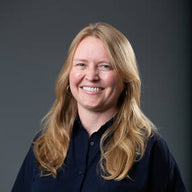
Medical reviewer
Charlotte Hastings, MD
OBGYN, Dartmouth Hitchcock Medical Center · Assistant Professor of Obstetrics and Gynecology, Geisel School of Medicine at Dartmouth
Charlotte is a generalist OBGYN at Dartmouth Hitchcock Medical Center and Assistant Professor of Obstetrics and Gynecology at the Geisel School of Medicine at Dartmouth. She trained at the Larner College of Medicine at the University of Vermont and completed her OBGYN residency at Dartmouth Hitchcock. As Béa’s Medical Advisor, she reviews our condition guides for clinical accuracy and is a principal investigator on Béa’s US clinical study.
Reviews: PMOS, endometriosis, unexplained infertility, low ovarian reserve, irregular periods, hypothyroidism, adenomyosis and the Partner Guide
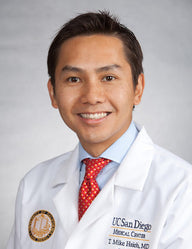
Medical reviewer
T. Mike Hsieh, MD, MBA
Board-certified urologist · Professor, UC San Diego · Director, Men’s Health Center, UC San Diego Health
Mike is a board-certified urologist who specializes in male fertility and men’s health. He is a Professor at UC San Diego and has directed the Men’s Health Center at UC San Diego Health since 2012. He completed his urology residency at George Washington University and a fellowship at Baylor College of Medicine. He is a Béa clinical advisor and a principal investigator on Béa’s US clinical study.
Reviews: male factor infertility
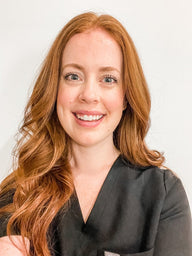
Updates our guides
Maggie Fields, RN
Registered nurse (RN) · Lead Fertility Nurse, Béa · BS in Nursing, University of Oklahoma
Maggie is a registered nurse and Béa’s Lead Fertility Nurse. Before Béa, she spent four years as an IVF Nurse Coordinator at Spring Fertility. Earlier, she worked as a registered nurse in labor and delivery at NewYork-Presbyterian Weill Cornell, and in pediatric intensive care in New York and Dallas. She keeps our guides in line with how we care for patients today.
Updates: all condition guides
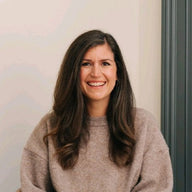
Original author
Sandy Christiansen, MSc
Clinical Embryologist (HCPC registered) & Fertility Coach · MSc, Lund University
Sandy is a clinical embryologist and fertility coach with an MSc in Clinical Laboratory Science from Lund University. She spent six years in London IVF labs, most recently as Senior Clinical Embryologist at TFP Fertility Group, and was Béa’s Lead Fertility Coach from 2021 to 2025. She wrote many of our original condition guides.
Wrote: PMOS, endometriosis, male factor infertility, unexplained infertility, low ovarian reserve, irregular periods, hypothyroidism and adenomyosis


